
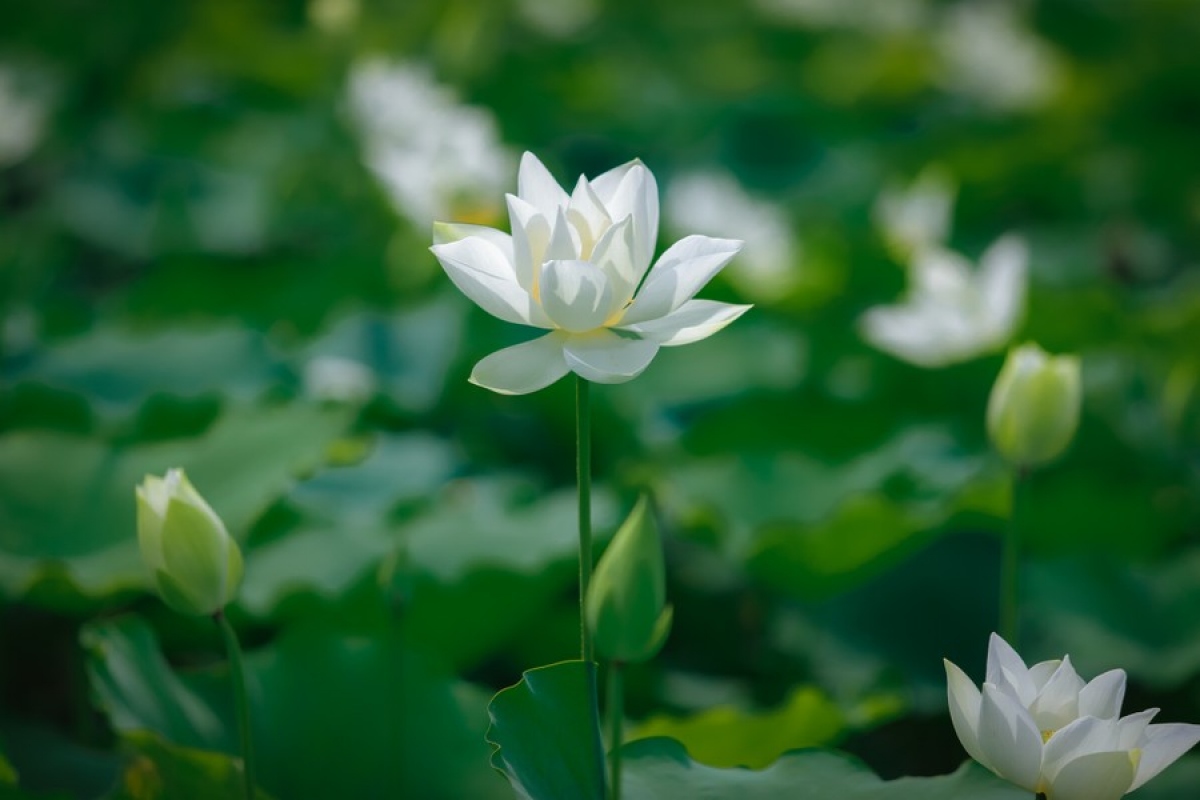
Lotus flowers play an important role and special position in both Vietnamese spirit and culture. By contemplating lotus blossoming, we can see and recognize images of Vietnamese people.
The lotus stands for beauty in Vietnam. It reaches through the mud and grime to show off its colour and shape to the world. These blossoms have long been linked to Buddhism, nobility, and pure thoughts.
Vietnamese people have considered the lotus as a symbol of beauty overcoming darkness. Lotus is known as an exquisite flower, symbolizes the purity, serenity, commitment and optimism of the future as it is the flower which grows in muddy water and rises above the surface to bloom with remarkable beauty.
An old chant states:
“No other species in the lake can rival lotuses
Green leaves, white blossoms and yellow pistils
Yellow pistils, white blossoms and green leaves
Never tarnished by the dirty mud nearby.”
LOTUS COLORS
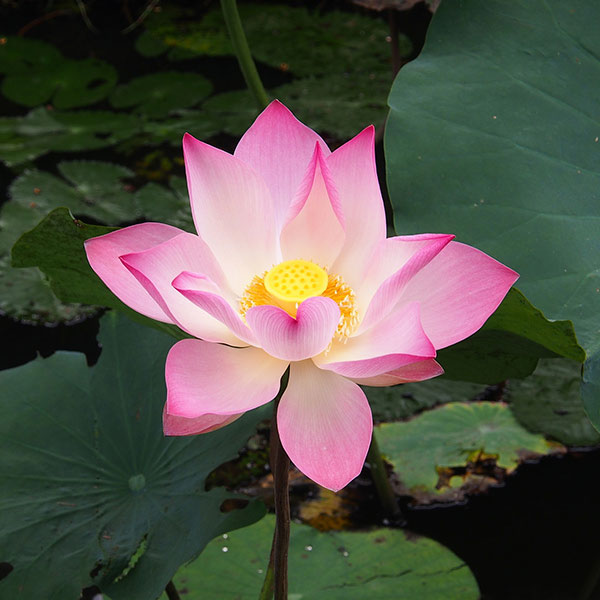
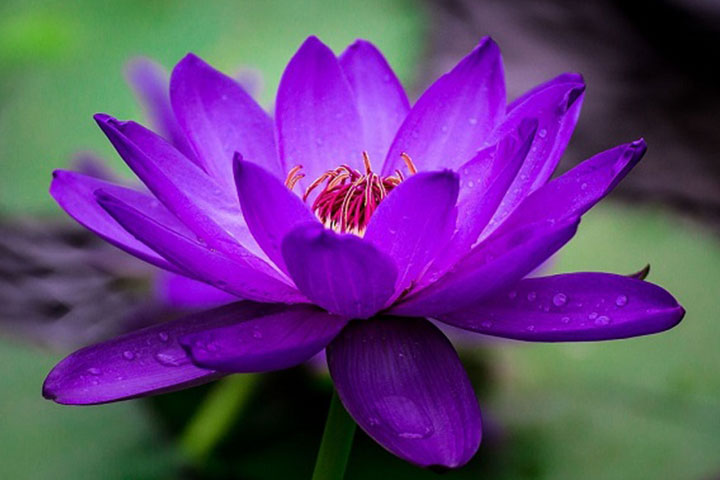
Lotus flowers can be many different colors, and each carries its own meaning. White represents purity, while pink shows a devotion to Buddha. Blue, with its wisdom and logic, represents enlightenment. Purple shows spirituality, and green is the color of rebirth.
LOTUS THROUGHOUT VIETNAM
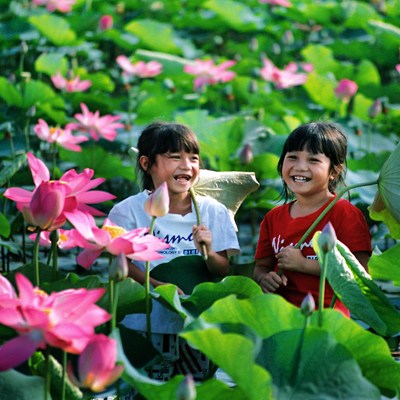
In June every year, pink and white lotuses are blossoming everywhere in Vietnam, from lakes, ponds to temples.
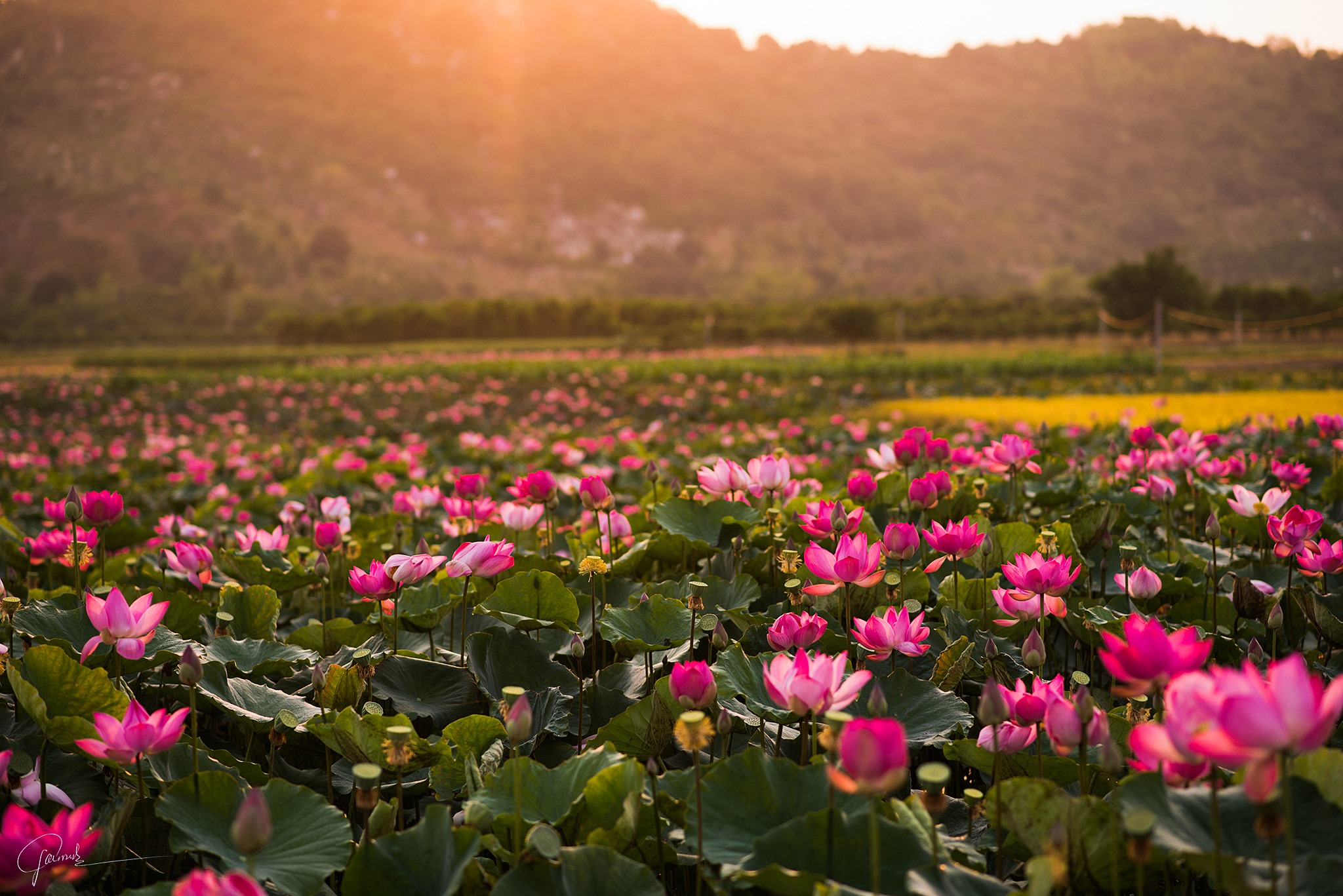
The lotus is found throughout Vietnam in the muddy water of lakes and ponds. Such is the Vietnamese love for the lotus that it was voted as the country’s national flower — for which one of the criteria was that it “must be ubiquitous around Vietnam”, and it would be hard to travel through Vietnam during lotus season without coming across a pond or lake filled with them.
LOTUS – THE ESSENCE OF VIETNAMESE CUISINE
Lotus is an important ingredient in Vietnamese culture and every part is utilized in both cuisine and medicine.

Rarely is any plant used to make as many delicious dishes as the lotus. All parts of a lotus plant, including the flower, seeds, stem, root and heart, can be utilized to cook and decorate special food. The dishes made with lotus have distinctive flavors, adding to the diversification in Vietnamese cuisine.
Com sen (Lotus rice) is an indispensable dish when it comes to culinary culture with lotus. The sweet and cool taste of lotus seeds and leaves is absorbed into each grain of rice, creating fragrant and nutritious rice.
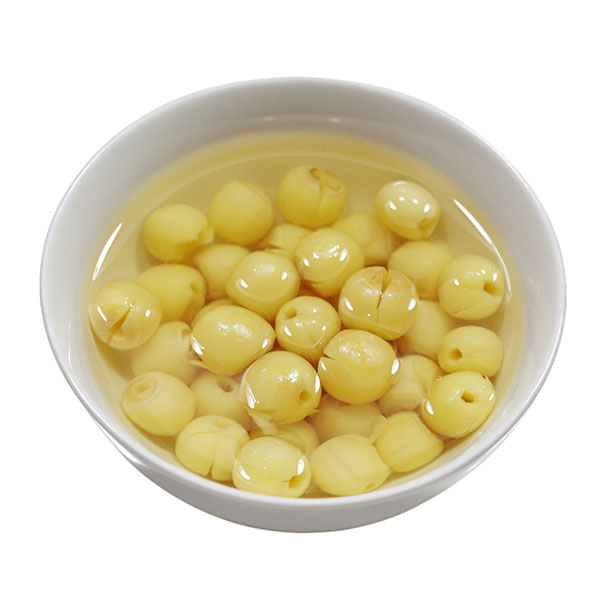
Young lotus stems are used in salads, stamens are dried and made into an herbal tea, and lotus seeds are eaten raw, dried or boiled.
Tra sen (lotus tea) is a special and sophisticated drink, especially in Hanoi and Hue. The flowers must be picked before dawn and then the petals, stamen and pistil are separated to retain their flavors.
The production first started during the reign of the emperor Tu Duc. During the night, his servants would fill the lotus flowers with green tea and then let it infuse. By the morning, the tea already had a subtle lotus aroma, and it could be brewed.
Most contemporary production relies on imparting flavor by mixing green tea with hand-picked lotus stamens. The mixing process can be repeated several times until the tea attains desired flavor. When brewed, the tea is amber-colored and has a clean flavor with subtle vanilla hints.
A kilo of tea needs 1000-1200 lotus flowers. A special marinating process is required before being dried, with flowers and then marinated five to seven times in order to let the lotus taste soak into the tea. Lotus heart tea is also a popular choice of tea for its medical properties.
DAILY DECORATION BY LOTUS

FROM WRAP FOOD TO LOTUS SILK

Lotus leaves are used to wrap food such as this dish where rice is steamed in lotus leaves.
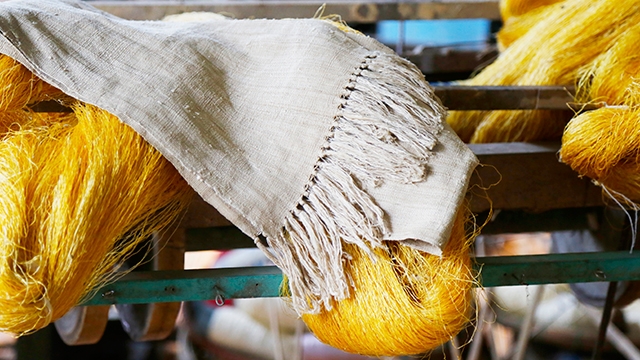
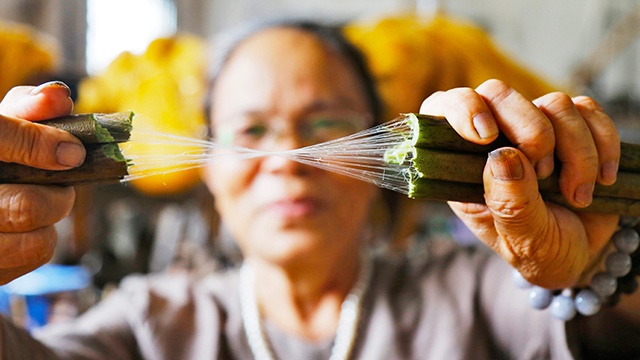
From the fragile silk thread and extraordinary craft manipulation, lotus silk has become a unique product in the fashion market. Currently, in Vietnam, there is only one successful person who was engaged herself in pursuit of the “unique” product line.
Each lotus thread is 10 times smaller than the strand of hair. As a result, the step of drawing silk thread is important, requiring meticulous and skillful workmanship.
Unlike normal silk, which can be exposed to the sun, lotus silk is only exposed in the shade, in an airy place so it does not lose its characteristic scent and the silk cord does not dry out when weaving silk.
As a result, the lotus silk is very expensive. The price of a scarf, with a length of 1.7 meters and a width of 20 centimeters, is not less than VND5 million. Throughout the world, only Myanmar, Cambodia and Vietnam produce the high-ranking silk line.

A SYMBOL FOR THE BUDDHIST ART

In particular, the lotus has been a symbol for the Buddhist art since Ly dynasty. It was decorated on the pagoda’s column base of the Ly dynasty. For example, it was embossed on the base of the Buddha statue in Phat Tich Pagoda, the oldest stone Buddha statue in Vietnam. It was also featured on the ceramic pot, bowl and setulae celadon, white and brown glazed.
Now performed internationally, the Lotus Dance was originally created in the 1600s in the Vietnamese palaces of the kings. The dance is a Buddhist tradition and mimics the opening of the lotus flower, celebrating Buddha’s birth.

![MOTORBIKE FOR RENT [CAM RANH-NHATRANG-CAMLAM]](https://chamkhanhhoa.com/wp-content/uploads/2023/06/motobike-for-rent-nha-trang-cam-ranh.jpg?w=1200&h=1200&crop=1)


Khám phá thêm từ CHẠM KHÁNH HOÀ
Đăng ký để nhận các bài đăng mới nhất được gửi đến email của bạn.


 CHẠM KHÁNH HOÀ
Bạn phải đăng nhập để bình luận.