
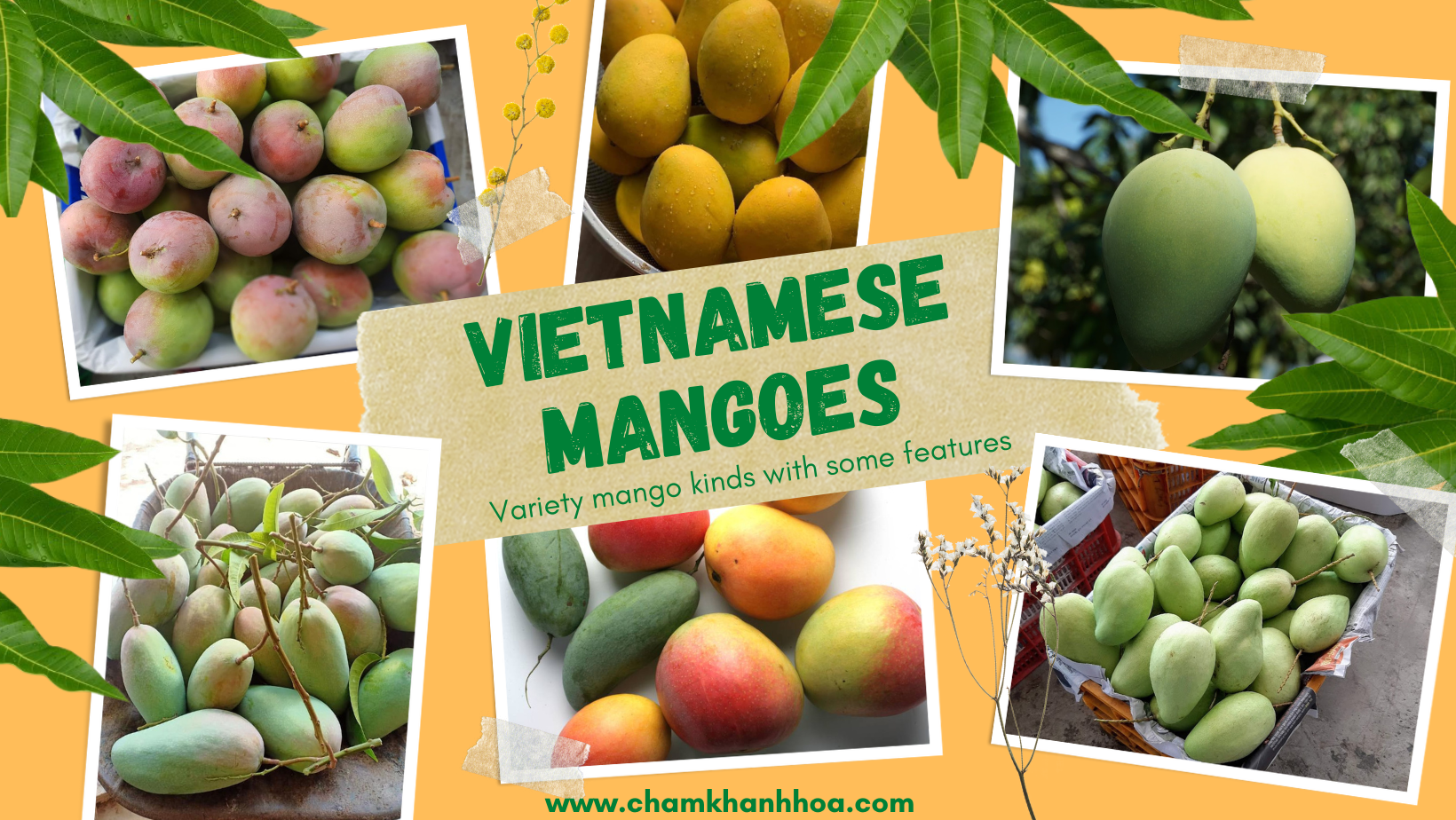

INTRODUCTION ABOUT VIETNAM MANGO
Vietnam is ranking no 14 in a list top of mangoes production around the world. As you may know that Philippines is the no1 of the list.
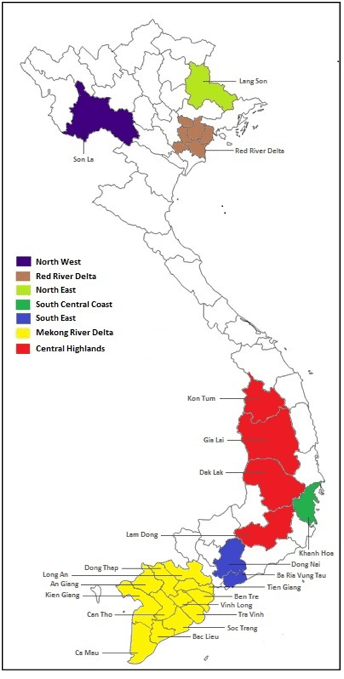
Mangoes have traditionally been cultivated in the Central and Southern parts of Việt Nam. Mangoes are not commercially grown in the North, well-known areas are in Mai Sơn and Yên Châu districts in Sơn La province, Yên Minh is a rural district of Hà Giang Province, and Lai Châu province where the winter temperature is quite high and humidity is low (which is considered very favorable for pollination and fertilization of mangoes). However, mangoes are often grown as ornamental or shade trees in home gardens and pagodas in many inland provinces in the North. Main production areas in Việt Nam are Tiền Giang, Đồng Tháp, Cần Thơ, Vĩnh Long and Khánh Hòa in southern Việt Nam. To the east of Cochin chine, mangoes are grown in Đồng Nai, and Bà Rịa-Vũng Tàu province.


In 2017, Việt Nam has 92,746 hectares and an output of 788,233 tons of mango, of which the Mekong Delta was the largest mango producing area, accounting for 46.1% of the area and 64.4% of the mango production of the country; followed by the South East.
Weather conditions available in North of Việt Nam includes a rather low November and December temperatures, much sunshine, and little rain. These should create favorable conditions for mango flowering, but no commercial production is viable, because cold north-westerly winds, cloudy skies, and drizzling rain occur when the mango flowers in January and this causes poor fruit set, seedless small fruits, and a high incidence of diseases that prevent fruit set and development.
“Xoai” is a Vietnamese term for mango.
As a tropical country, Vietnam is suitable for lot of fruit. Many people visit to Vietnam trying tasting as much as possible the fruit here. Mango is also a iconic fruit of Vietnam. Most of Vietnamese mango kind located in the south or middle of the country such as Khanh Hoa, Tien Giang, Hau Giang, Dong Thap province.
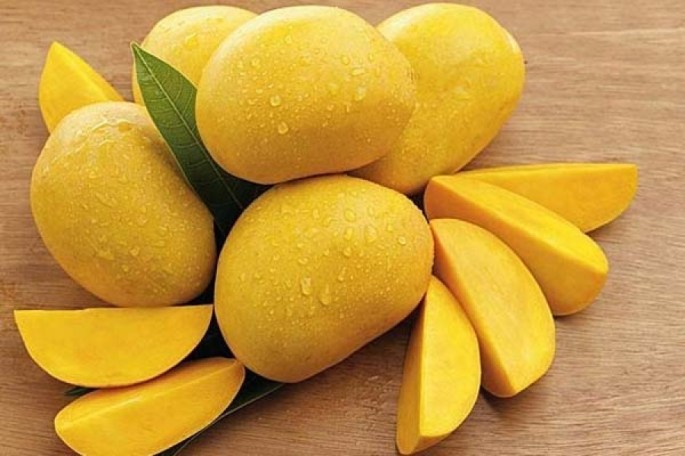
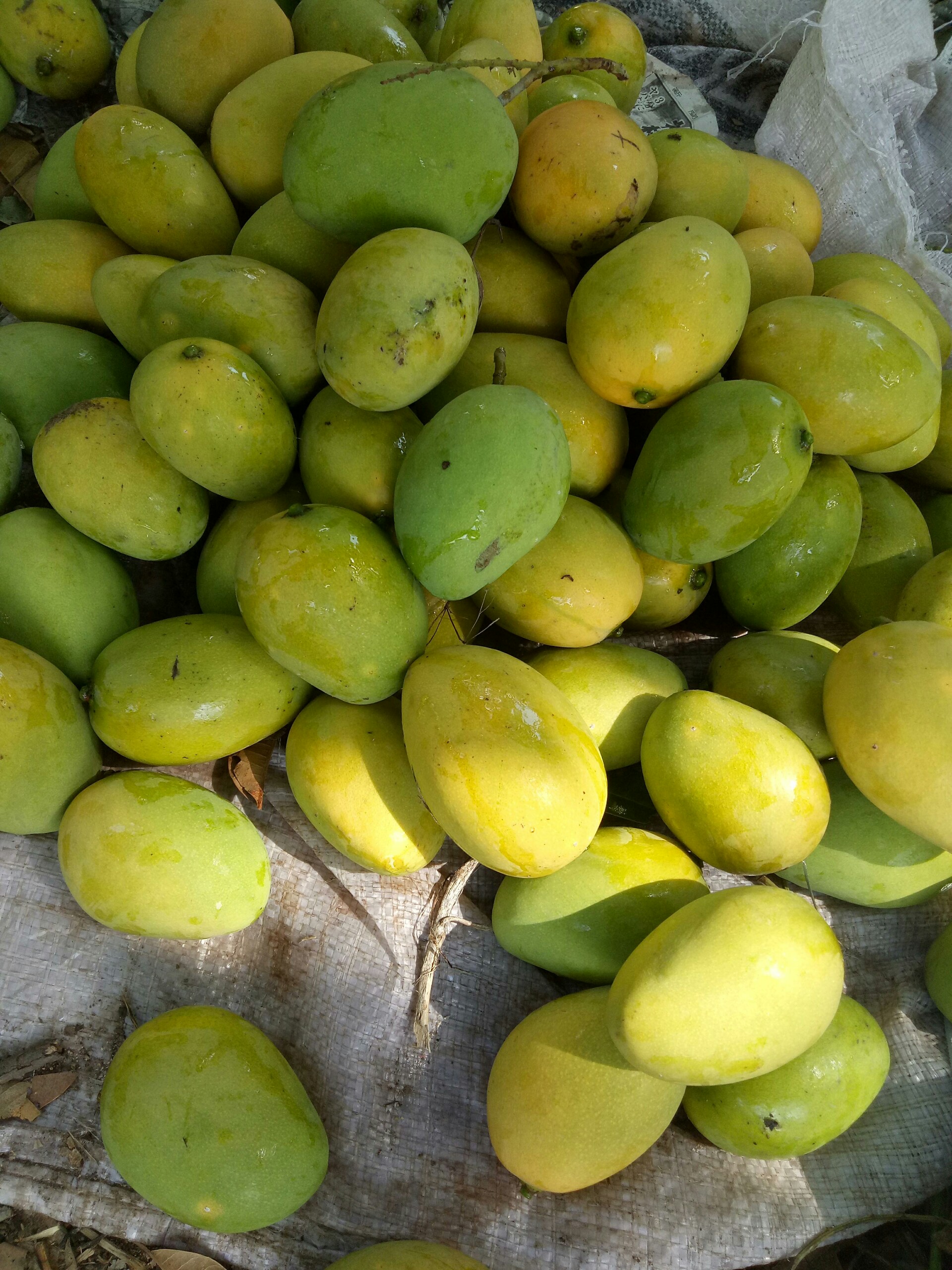
Mango has a round shape and may weigh between 50 and 500 grams per fruit. Mango of Cao Lanh District in Dong Thap is considered the best of the country though each region has its own distinctive flavor. For example, Xòai Mộc Châu is smaller in size, often green outside but orange inside and unbeatable when it comes to the natural light sweet taste that no other varieties can compare. Xòai Nha Trang, on the other hand, is bright yellow, both inside and outside, with an almost overly sweet and juicy flavor.
Vietnamese mangoes combine inside and outside kinds which mainly came from Indian, Thailand or even Australia. Like Thailand, Vietnamese mangoes have a peak season from April to July and small season for the Tet Holiday from December to February. Usually, a mango tree need around 4 months for the beautiful flowers becoming a mature fruit.
Almost Vietnamese mangoes are consumed domestically or export via China border. Some of area grow mangoes for export to America, Europe or Japan and Korea.

In Vietnam, people also consider mango leaves or green mango babies are ingredient for cooking especially sour soup. Many people agree that those got a positive effect on human healthy.

The fruit is high in fibre, antioxidants and vitamins A and C. Studies have shown the mango to be useful in issues with constipation, as well as in curbing obesity and reducing inflammation. Vietnam have long believed that even the young leaves carry health benefits, such as for pain relief and in stopping asthma attacks
-Source: Internet-


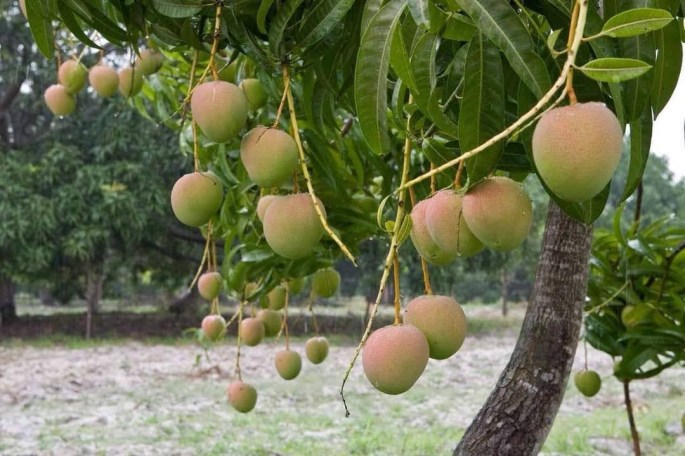
Mango trees take root easily, even in soil that is not considered particularly fertile. Once the seedlings begin to sprout, they do not require much care or attention, hence the ease with which they proliferate. Once fully grown, the trees themselves can grow to 35 meters tall, shooting out small, aromatic yellow flowers when in full bloom.

USE OF MANGOES
Many people use green mangoes with a bowl of fish sausage; cutting chili and sugar. Mangoes need to be cut into thin layers and dip into the fixed bowl.

In the mango peak season, from April to July, when the mango getting ripen so much, people will make a special cake from ripen ones call mango paper (it look like rice paper) or mango cake. It keeps the mango longer then fresh ones.


MANGO PAPER
How to make a mango paper?
This you traditional paper dish of people living Khanh Hoa province in central of Vietnam. It only including Vietnamese ripen mangoes no more any sugar.
Its formula will be Vietnamese ripen mangoes with juicy flesh must be cut into small pieces then grind and boil it for 3-5 minutes. Spread the boiling liquid then wait for hard sunlight dried it.


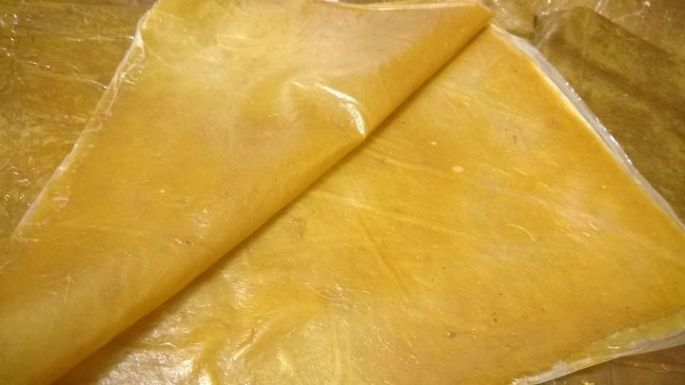
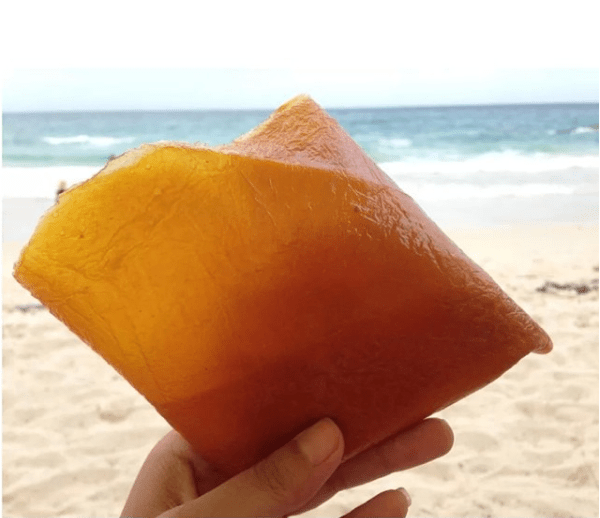
Maybe there or two sunlight bath is done, the paper could be used directly without further procession. It is better when use with hot tea cup.
SOFT – DRIED MANGOES

Dried mangoes is another way to keep the mangoes longer especially in peak season which can not be eaten fully in short time.
People cut the flesh of ready ripen mangoes then put it into a machine which will dehydrate from the flesh. Some put with a portion of refined sugar to keep the pieces softer.
Contact us for more information: Mr Nam (+84) 378 091 240 (Zalo | WhatSapp) when you visit Nha Trang for experience Vietnamese mango farm tour and more local life experience.

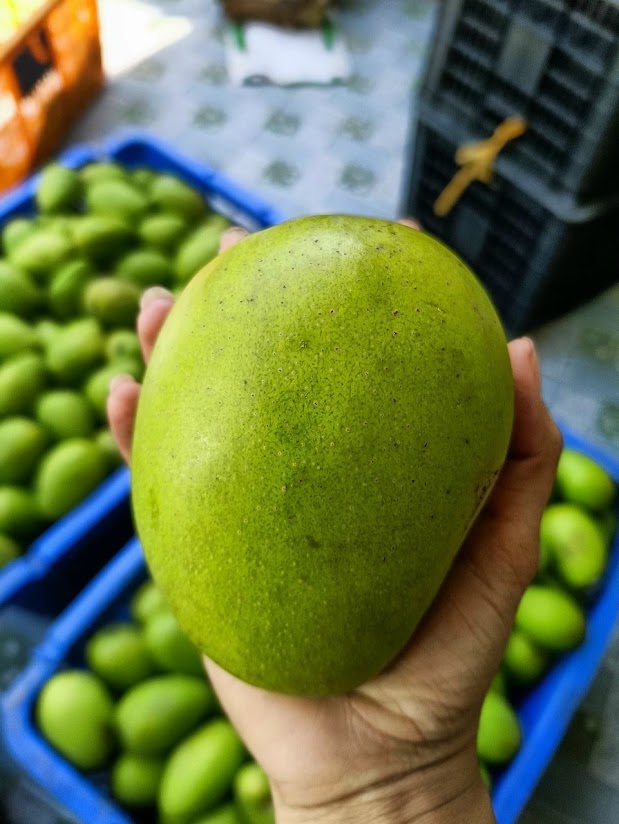
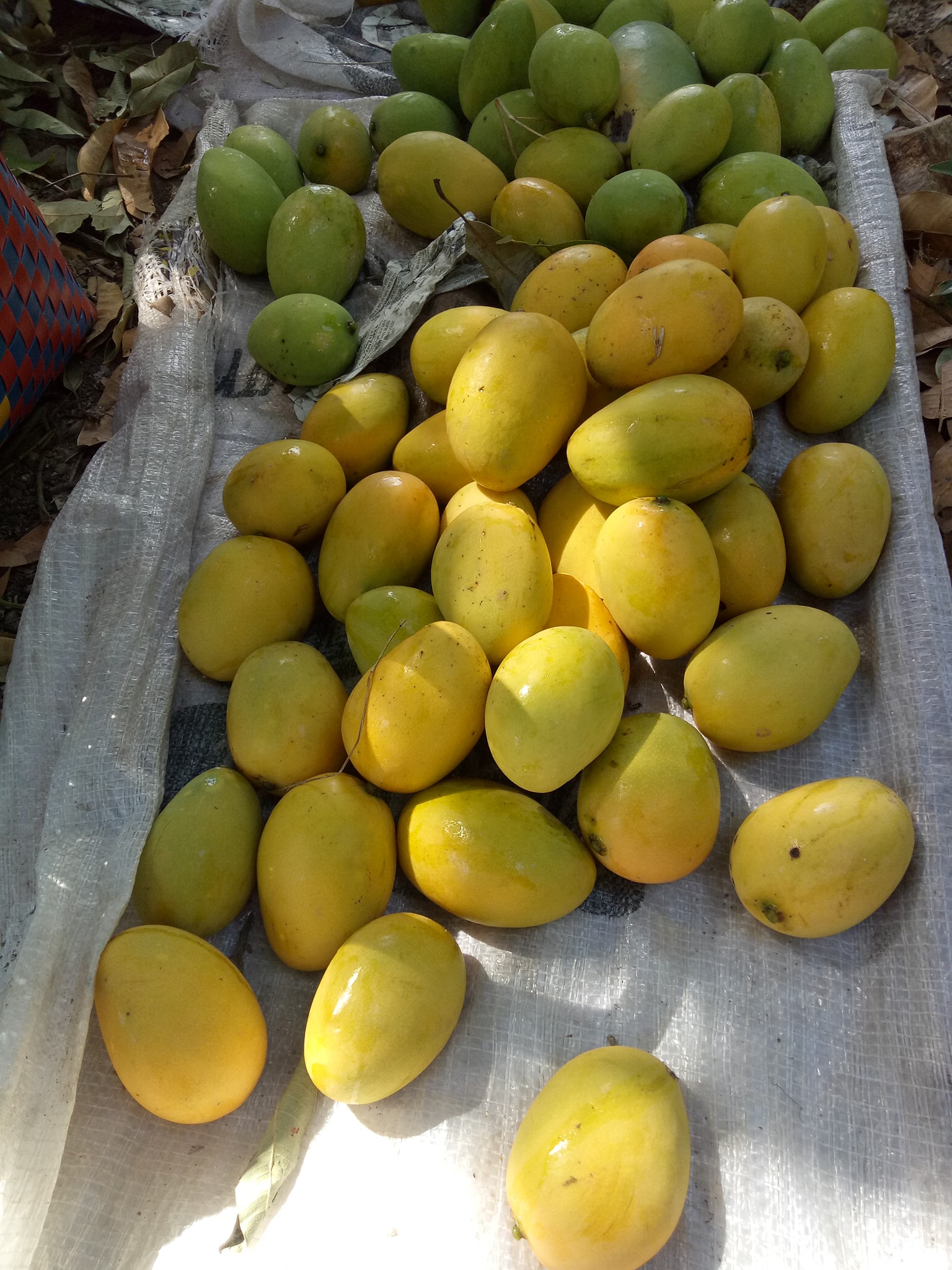
Visit to discovery more about Vietnamese mangoes:
PLACES TO VISIT IN CAM LAM KHANH HOA
Khám phá thêm từ CHẠM KHÁNH HOÀ
Đăng ký để nhận các bài đăng mới nhất được gửi đến email của bạn.


 CHẠM KHÁNH HOÀ
Bạn phải đăng nhập để bình luận.